
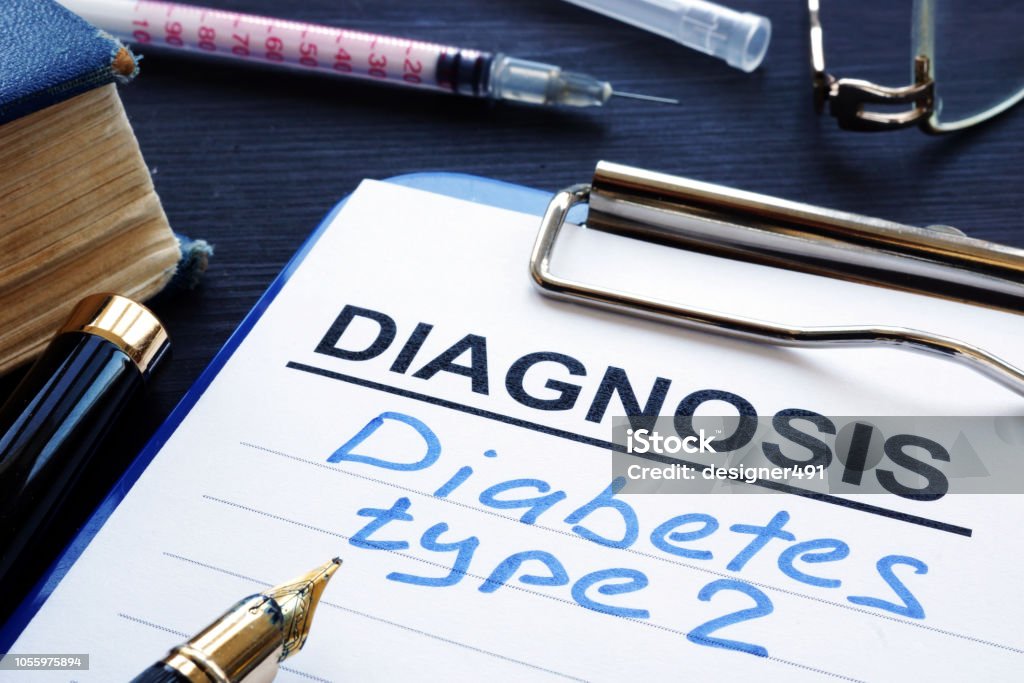
Type 2 Diabetes Medications and Drug Injuries: Know the Warning Signs
Introduction
Living with type 2 diabetes often requires medication to manage blood sugar—but while these drugs help control glucose, some come with serious side effects. Understanding potential drug injuries and early warning signs empowers patients to stay safe and advocate effectively for their health.
🧬 Common Medications & Their Risks
-
Rosiglitazone (Avandia) & Pioglitazone (Actos)
-
Benefits: Increase insulin sensitivity
-
Risks: Heart failure, bladder cancer (Actos), fracture risk
-
-
DPP‑4 Inhibitors (e.g., Januvia, Onglyza)
-
Benefits: Lower blood sugar with low hypoglycemia risk
-
Risks: Pancreatitis, possible joint pain, rare allergic reactions
-
-
GLP‑1 Agonists (e.g., Byetta, Victoza)
-
Benefits: Weight loss and better glucose control
-
Risks: Pancreatitis, nausea; black‑box warning for mouse models (pancreatic/B‑cell tumors)
-
-
SGLT2 Inhibitors (e.g., Invokana, Farxiga)
-
Benefits: Lower blood sugar and cardiovascular benefits
-
Risks: Ketoacidosis, serious urinary tract infections, bone fractures (Invokana warning)
-
-
Sulfonylureas (Glipizide, Glyburide)
-
Benefits: Affordable, effective
-
Risks: Hypoglycemia (especially in elderly), weight gain
-
🚩 Key Warning Signs of Drug Injuries
If you experience any of these symptoms, contact your doctor immediately:
-
Rapid weight change or swelling (heart failure concern)
-
Pain or burning during urination, high fever (UTI or ketoacidosis)
-
Severe stomach pain or vomiting (signs of pancreatitis)
-
Unexplained bone fractures
-
New-onset jaundice
-
Severe gastrointestinal symptoms or chronic nausea
-
Allergic reactions (skin rash, facial swelling, breathing difficulty)
Staying vigilant about side effects helps prevent worsening injuries and allows treatment to be adjusted promptly.
🔬 Why Early Detection Matters
Not all side effects require stopping a drug—some can be managed. But early detection:
-
Prevents irreversible harm
-
Enables safer medication choices
-
Strengthens your medical record in case of complications
-
Helps avoid long‑term healthcare costs and quality‑of‑life setbacks
💡 Steps to Advocate for Your Health
-
Track symptoms and health changes. Keep a log showing when problems began and what you were doing.
-
Ask questions before starting a new drug. Know benefits, risks, and available alternatives.
-
Request regular labs and screenings. This may include liver enzymes, kidney function, or bone health tests.
-
Report unusual symptoms immediately. Don’t wait for routine visits—text or call your provider.
-
Shop around for expert opinions. Endocrinologists, pharmacists, or specialists can help you navigate options.
⚖️ When to Consider Legal Help
If medication causes serious injury, you may deserve compensation for:
-
Medical costs
-
Ongoing care (dialysis, hospitalization)
-
Pain and suffering
-
Lost wages
Possible legal options include claims for defective drugs, failure to warn, or manufacturer negligence.
An experienced attorney can assess whether your injury was avoidable, if the prescribing physician provided adequate warnings, and if the drug manufacturer acted responsibly.
✅ Final Takeaway
Type 2 diabetes medications save lives—but no drug is risk‑free. By staying informed, alert, and proactive, you can protect yourself from potentially serious drug injuries. If your health is affected by medication side effects, consult your healthcare provider—then get the legal support you deserve if it wasn’t your fault.