
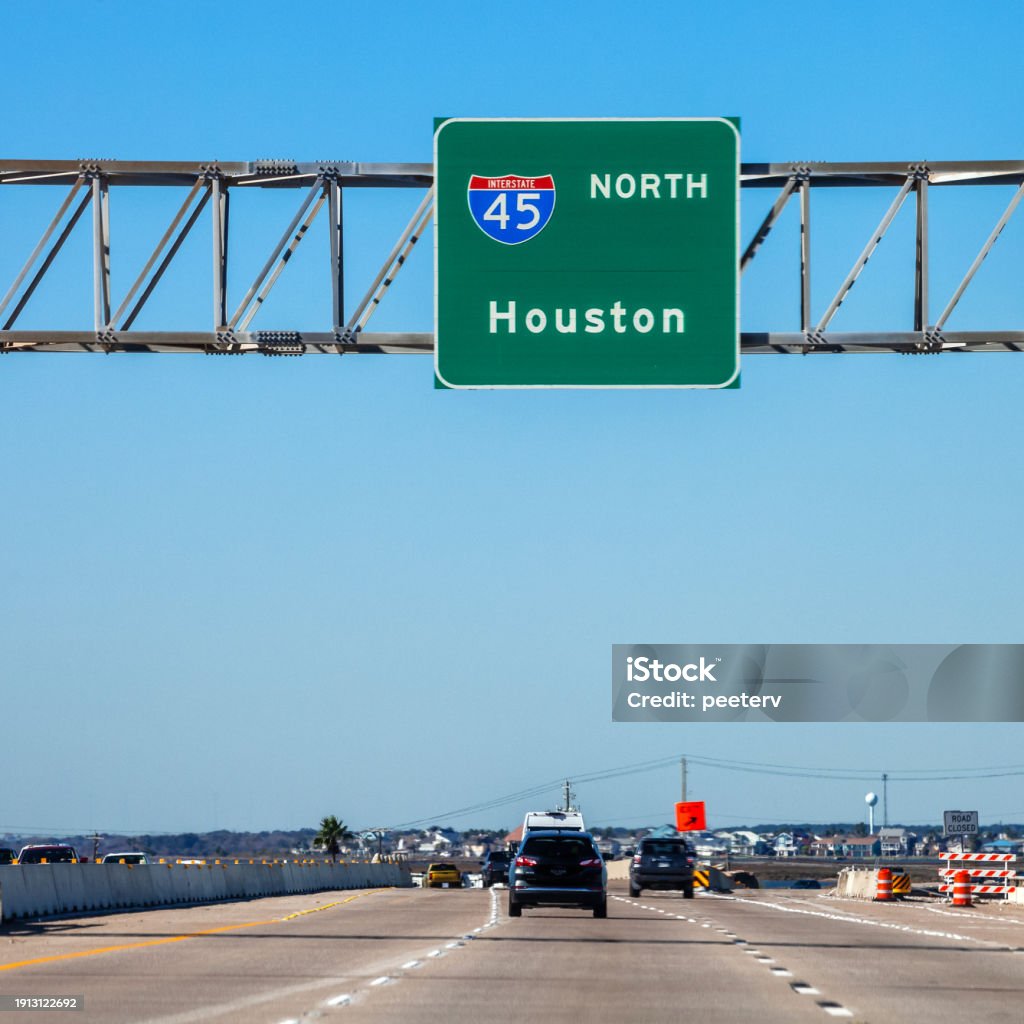
Texas Heat and the Hidden Dangers on the Road
Anyone who’s driven through a Texas summer knows — the heat isn’t just uncomfortable, it can be downright dangerous.
Temperatures soar above 100°F, the asphalt shimmers like glass, and your car’s A/C struggles to keep up.
But while most drivers worry about staying cool, few realize how hot weather can increase the risk of car accidents, breakdowns, and heat-related emergencies.
At Narvios Law Firm, we’ve seen firsthand how preventable summer accidents can devastate families. Whether it’s a tire blowout on I-35 or a dehydrated driver losing focus, heat poses serious safety risks.
Here’s how you can stay safe, alert, and prepared during Texas’s hottest months.
1. Keep Your Vehicle in Top Shape
High temperatures can wreak havoc on your car’s internal systems. Before hitting the road, take a few minutes to make sure your vehicle is ready for the heat.
Check Your Tires
-
Hot pavement increases tire pressure and the risk of blowouts.
-
Check tire pressure at least once a month (including your spare).
-
Inspect for worn tread or cracks.
Inspect Coolant Levels
-
Your car’s cooling system prevents the engine from overheating.
-
Check coolant levels regularly and top off if needed.
-
Have your radiator and hoses inspected for leaks before long trips.
Test Your Battery
Heat can drain your car’s battery faster than cold weather. If it’s more than three years old, get it tested — summer breakdowns often start under the hood.
2. Protect Your Car (and Yourself) from Overheating
An overheated car is one of the most common heat-related breakdowns in Texas.
If your temperature gauge climbs or steam starts coming from the hood:
-
Pull over safely and turn off the engine.
-
Do not open the radiator cap while the engine is hot.
-
Wait for the engine to cool before checking coolant levels.
And don’t forget — the heat affects you too. Stay hydrated, wear light clothing, and never underestimate how quickly the Texas sun can deplete your energy behind the wheel.
3. Never Leave Children or Pets in a Parked Car
Even with the windows cracked, the inside of a car can reach over 120°F in just 10 minutes.
Every year, dozens of children and pets die from vehicular heatstroke, often because someone “just ran into the store for a minute.”
To prevent a tragedy:
-
Always check the back seat before locking your car.
-
Place a personal item (like your phone or wallet) next to your child’s car seat to remind you.
-
If you see a child or pet left in a hot car, call 911 immediately.
4. Avoid Driving During Peak Heat Hours
If possible, plan long drives for early morning or late evening when temperatures are cooler.
Midday heat (from 12 PM to 4 PM) can cause:
-
Tire blowouts from hot road surfaces
-
Glare-related visibility issues
-
Driver fatigue and dehydration
Even a few degrees cooler can make a big difference in your comfort and concentration.
5. Watch for Signs of Driver Fatigue
The combination of heat, long drives, and glare can lead to drowsy driving — a leading cause of summertime accidents.
Warning signs include:
-
Frequent yawning or blinking
-
Drifting out of your lane
-
Missing traffic signs or exits
Take breaks every two hours, especially on long road trips. Get out of the car, stretch, and drink water. A 10-minute rest can save your life.
6. Be Extra Cautious with Your Brakes
Stop-and-go traffic and high temperatures can strain your braking system.
-
Avoid “riding the brakes” on downhill roads.
-
If your brakes feel soft or make unusual noises, get them inspected.
-
Overheated brakes reduce stopping power — a dangerous mix in heavy traffic.
7. Plan Ahead for Roadside Emergencies
Even the most careful drivers can experience breakdowns in extreme heat. Always carry:
-
A fully charged phone and car charger
-
Bottled water
-
Jumper cables
-
A first-aid kit
-
Sunscreen and a hat
-
A flashlight and basic tools
If your car breaks down:
-
Pull as far off the road as possible.
-
Turn on hazard lights.
-
Stay inside your vehicle if you’re on a busy highway, and wait for help.
8. Keep an Eye on Texas Weather Alerts
Summer storms can appear suddenly — especially in Central and West Texas.
A quick downpour on hot pavement can make roads slick and slippery, increasing the risk of hydroplaning.
Use apps or local news alerts to monitor conditions, and avoid driving through flooded areas. Remember: Turn Around, Don’t Drown.
9. Maintain a Safe Following Distance
Hot weather affects more than just your car — it affects traffic patterns too. Road construction increases during summer, and heavy vacation traffic is common.
-
Give yourself extra space behind other vehicles.
-
Stay alert in construction zones.
-
Watch for disabled vehicles on the shoulder — tire blowouts and overheating are frequent in the heat.
10. Stay Mentally Cool — Avoid Road Rage
The Texas heat can make tempers flare. Studies show drivers are more likely to act aggressively when temperatures rise.
Stay calm by:
-
Taking deep breaths
-
Listening to relaxing music
-
Avoiding confrontations — it’s not worth it
Your safety is far more important than getting to your destination a few minutes faster.
Real-Life Story: A Summer Breakdown on I-10
In July, Carlos, a San Antonio delivery driver, ignored a warning light on his dashboard while rushing to finish his route.
Minutes later, his engine overheated, and his van stalled in the middle of I-10 traffic. Fortunately, a quick-thinking driver behind him swerved in time — but it could have ended much worse.
His experience reminds us that in Texas, heat-related breakdowns can turn dangerous in seconds. A quick maintenance check could have prevented the scare.
What to Do If You’re in a Heat-Related Car Accident
If a vehicle malfunction or another driver’s negligence caused your crash:
-
Call 911 and get medical help.
-
Document the scene with photos and witness information.
-
Avoid admitting fault — even if you think the heat played a role.
-
Contact an attorney experienced in auto accident claims.
At Narvios Law Firm, we’ve helped countless Texans recover compensation after heat-related accidents caused by faulty parts, tire defects, or negligent maintenance.
You deserve to know your rights — and you don’t have to handle insurance companies alone.
Conclusion: Drive Smart, Stay Cool, Arrive Safe
Texas summers test even the most seasoned drivers. Between the heat, glare, and long stretches of open road, every trip comes with hidden risks.
But with preparation, patience, and a little extra care, you can keep yourself and your loved ones safe all season long.
If you’ve been injured in a car accident caused by another driver’s negligence or a vehicle defect, Narvios Law Firm is here to help.
Our experienced attorneys are committed to protecting your rights and helping you get the compensation you deserve — so you can focus on recovery, not red tape.