
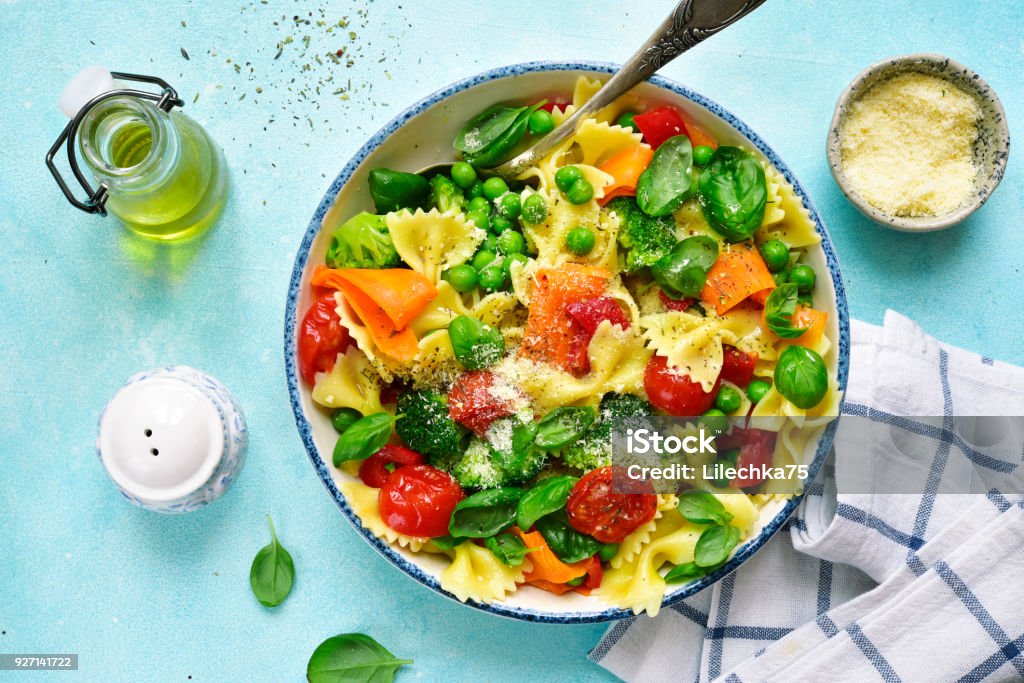
Good Eats: How to Make Rainbow Pasta (Fun + Flavor in Every Bite)
Looking for a show-stopping dinner project that’s equal parts fun, colorful, and delicious? Rainbow pasta brings pure joy to the table—no artificial dyes required if you don’t want them. Whether you’re cooking with kids or crafting a special date-night dish, this step-by-step guide shows you how to make vibrant multicolored pasta from scratch, plus easy sauces that let the colors shine.
Two Ways to Color Your Dough
You can use natural purees/powders or gel food colors. Natural options include spinach (green), beet (magenta), carrot or turmeric (yellow/orange), butterfly pea (blue), and cocoa or squid ink (brown/black). Powders are the easiest to dose; purees add subtle flavor and require small hydration tweaks.
Pro tip: Aim for 5–6 colors so the final pasta looks festive, not muddy.
Base Pasta Dough (for each color)
-
200 g 00 flour (or all-purpose, sifted)
-
2 large eggs (100 g), room temp
-
Pinch fine sea salt
-
Coloring: 1–2 tsp powder or 1–2 tsp thick puree or a few drops gel color
Make the dough: On a board (or in a bowl), whisk eggs with color and salt, then stir into the flour. Knead 8–10 minutes until smooth and springy. Wrap and rest 30 minutes. Repeat for each color you want.
Rolling & Layering the Rainbow
-
Roll each color to pasta-machine setting #2 or about 2 mm with a rolling pin.
-
Create a mosaic: Lightly mist with water; overlap colored sheets on a large rectangle, like a quilt. Gently roll over the seams until they fuse into one multi-color sheet.
-
Final roll to setting #5–6 (tagliatelle/linguine thickness). Dust with flour.
-
Cut into your shapes: fettuccine, pappardelle, or stamp into farfalle (fold and pinch centers). Place on floured trays.
Alternate look: Make one neutral sheet, then press on thin colored stripes and roll again for candy-stripe pasta.
Cooking Rainbow Pasta
Boil in heavily salted water until just tender (fresh pasta cooks in 1–3 minutes). Because the dough is fresh, colors won’t bleed if you avoid overcrowding and overcooking. Reserve a cup of pasta water.
Sauces That Let the Colors Pop
-
Browned butter & lemon – Melt butter until nutty, add lemon juice and zest, toss with pasta, finish with parmesan and parsley.
-
Garlic-olive oil (aglio e olio) – Warm sliced garlic in olive oil, toss with chili flakes, pasta water, and herbs.
-
Creamy mascarpone – Loosen mascarpone with hot pasta water, add pepper and peas for a spring vibe.
-
Light tomato butter – Emulsify a spoon of tomato paste with butter and pasta water for a blush sauce.
Flavor Boosters & Toppings
Toasted pine nuts, pistachios, or walnuts; ribbons of basil or mint; shaved parmesan or pecorino; dollops of ricotta; lemon breadcrumbs for crunch; or a drizzle of good olive oil.
Make-Ahead & Storage
-
Dough: Wrap and refrigerate up to 24 hours; freeze up to 1 month (thaw overnight).
-
Cut pasta: Dust well with semolina; refrigerate 24 hours or freeze in nests up to 1 month.
-
Cooked pasta: Best the day it’s made.
Troubleshooting
-
Dough tearing? It’s too dry—mist and knead 1–2 minutes.
-
Sticky sheets? Dust with semolina; keep surfaces dry.
-
Colors blending? Keep layers thin and roll gently; chill sheets 10 minutes before final pass.
Kid-Friendly Tips
Set up a “color lab” with tiny bowls of powders/purees and let kids knead their own 100-gram mini doughs. Use cookie cutters to make rainbow ravioli stuffed with ricotta and spinach.
Simple Shopping List
00 flour (or AP + a bit of semolina), eggs, salt, coloring agents (spinach powder, beet powder, turmeric, butterfly pea), butter, olive oil, lemon, parmesan, fresh herbs.
Bottom line: Rainbow pasta isn’t just pretty—it’s tender, fresh, and flavorful. Once you learn the color-sheet technique, the combinations are endless.