
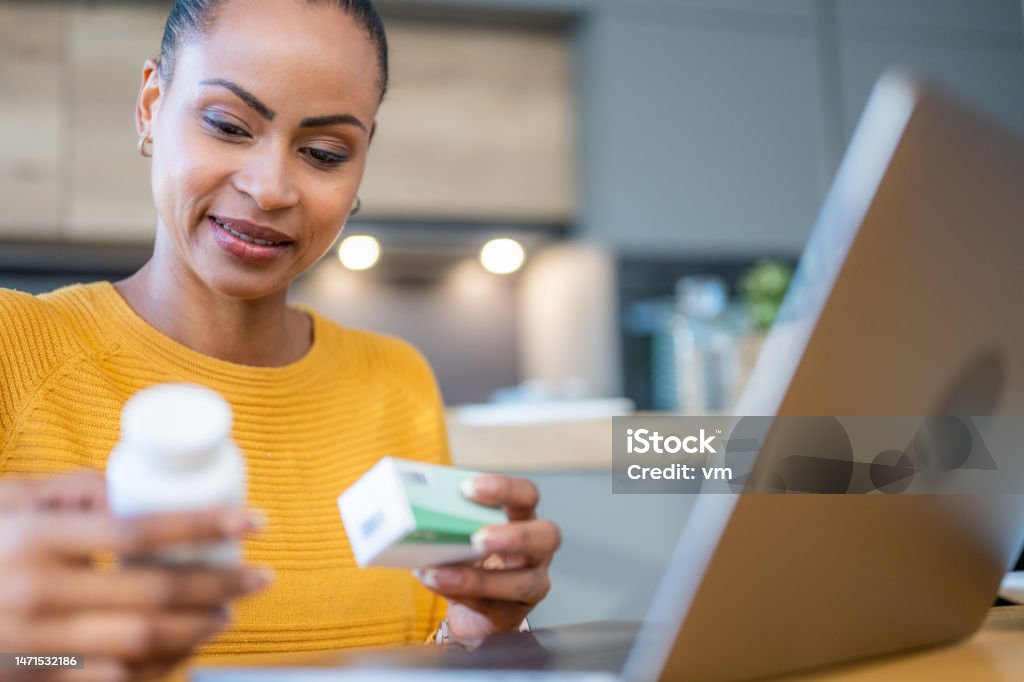
The Convenience That Comes with Hidden Dangers
Ordering medications online can feel like a lifesaver — especially when it saves you a trip to the pharmacy or helps you find affordable prescriptions. But as the saying goes, if it seems too good to be true, it probably is.
The internet has made it easier than ever to purchase just about anything, including prescription drugs. Unfortunately, not every online pharmacy is legitimate. The U.S. Food and Drug Administration (FDA) warns that many online pharmacies operate illegally, selling counterfeit, expired, or unsafe medications that can put your health — and even your life — at risk.
Understanding these dangers is crucial. In this post, we’ll explore the risks of unverified online pharmacies, the FDA’s latest guidance, and how you can protect yourself and your loved ones from harm.
The Rise of Online Pharmacies
Online pharmacies first gained popularity for their convenience and competitive prices. Many are legitimate, licensed businesses that follow safety regulations and require valid prescriptions.
However, the growing demand for cheaper medications has also opened the door for rogue pharmacies. These sites may appear professional, use medical-sounding names, and even display fake licenses — but behind the scenes, they operate outside of FDA oversight.
A 2024 report by the National Association of Boards of Pharmacy (NABP) found that over 95% of websites selling prescription drugs online are operating illegally. Many of these are based overseas, beyond U.S. jurisdiction, and sell drugs that haven’t been tested or approved for safety.
The Hidden Risks of Buying Medication Online
It’s tempting to think that one small purchase can’t hurt — but buying medications from unverified sources can have serious and long-lasting consequences.
1. Counterfeit or Contaminated Drugs
Many rogue pharmacies sell counterfeit drugs that look legitimate but contain incorrect ingredients, wrong dosages, or harmful substances like chalk, paint, or even fentanyl.
These fake drugs may:
-
Contain no active ingredient at all (making treatment ineffective)
-
Contain too much or too little medication (causing overdose or treatment failure)
-
Include toxic fillers or contaminants that can lead to poisoning or organ damage
2. Wrong or Expired Medications
Unlicensed pharmacies often store and ship medications improperly — leading to expired or degraded drugs that may not work as intended. Some even mix up orders or ship incorrect medications, putting patients at risk of severe allergic reactions or drug interactions.
3. Identity Theft and Financial Fraud
Fake online pharmacies don’t just target your health — they also target your personal information. Many collect credit card numbers, addresses, and even medical details, then sell or misuse that data.
4. Lack of Medical Oversight
Legitimate pharmacies always require a prescription because it ensures a doctor has evaluated your condition and dosage. Rogue websites skip this step, encouraging self-diagnosis and misuse, which can be dangerous for patients taking multiple medications or with chronic health conditions.
What the FDA Wants Consumers to Know
The FDA has made it clear: while some online pharmacies are safe and legitimate, many are not. To help consumers identify trustworthy sources, the FDA launched the BeSafeRx campaign — a public education initiative aimed at raising awareness about online drug safety.
According to the FDA, you should always verify that an online pharmacy:
-
Requires a valid prescription from a licensed doctor.
-
Has a licensed pharmacist available for questions.
-
Is located in the U.S. and provides a physical street address.
-
Is licensed by your state board of pharmacy.
If a website skips any of these steps, it’s a red flag.
The FDA also maintains a list of verified online pharmacies through its partner site, VIPPS (Verified Internet Pharmacy Practice Sites), which can help consumers confirm a pharmacy’s legitimacy.
Common Red Flags of Rogue Online Pharmacies
Spotting an unsafe pharmacy isn’t always easy — many look convincing. However, certain warning signs should raise immediate suspicion:
-
The website offers to sell prescription drugs without a prescription.
-
Prices are dramatically lower than what you’d expect at a local pharmacy.
-
The site doesn’t list a U.S. address or phone number.
-
There’s no licensed pharmacist available for consultation.
-
The site’s web address doesn’t start with “https://” (secure browsing).
-
The website sends unsolicited emails or social media ads promoting cheap medications.
If any of these sound familiar, don’t risk it — your health is worth far more than a bargain price.
Real-World Consequences: When a Deal Turns Dangerous
Consider the story of Maria, a 46-year-old woman from Texas managing high blood pressure. To save money, she ordered her medication from an online pharmacy that advertised half the usual price. Within days, she began feeling dizzy and faint. When doctors tested the pills, they discovered that they contained only 10% of the active ingredient — far too little to control her condition.
Sadly, Maria’s story isn’t rare. The World Health Organization (WHO) estimates that 1 in 10 medical products in low- and middle-income countries is substandard or falsified. In the U.S., even a single counterfeit dose can have life-threatening effects.
How to Verify a Safe Online Pharmacy
If you prefer to order medications online, here are some practical steps to stay safe:
-
Check the VIPPS database (run by the NABP) to confirm the pharmacy’s credentials.
-
Look for “.pharmacy” in the website domain name — this top-level domain is reserved for verified sites.
-
Consult your doctor or pharmacist before ordering anything online.
-
Be cautious with international websites. Regulations differ across countries, and some may not meet U.S. safety standards.
-
Report suspicious websites to the FDA’s MedWatch program at fda.gov/medwatch.
The Legal Side: Who’s Liable When Things Go Wrong?
When patients are harmed by counterfeit or contaminated drugs, determining liability can be complicated. Potentially responsible parties may include:
-
The operators of the fake pharmacy (if identifiable)
-
Manufacturers or distributors who supplied the drugs
-
Shipping intermediaries who failed to verify safety
However, because many rogue sites are based overseas, seeking justice can be challenging. That’s why legal advocacy from firms like Narvios Law Firm plays an important role in helping victims of unsafe products pursue compensation and raise awareness about these dangers.
Why Awareness Matters More Than Ever
In recent years, more people have turned to online pharmacies — especially after the pandemic — to avoid in-person contact and manage costs. While telehealth and mail-order prescriptions can be safe, the rise in counterfeit medications has created a silent public health crisis.
Education, vigilance, and stronger regulation are key to protecting consumers. By learning to recognize unsafe pharmacies and making informed decisions, individuals can avoid becoming victims of fake or dangerous drugs.
Conclusion: Trust Your Health to Verified Sources
Convenience should never come at the cost of your safety. Ordering medications online can be perfectly safe — if you know where to look.
Always choose licensed, verified pharmacies that follow FDA guidelines, and never buy prescription drugs from websites that skip the doctor or seem too cheap to be real.
If you’ve been harmed by unsafe or counterfeit medications, Narvios Law Firm is here to help you understand your legal rights and pursue justice. Your health deserves protection — and your trust should never be betrayed.