
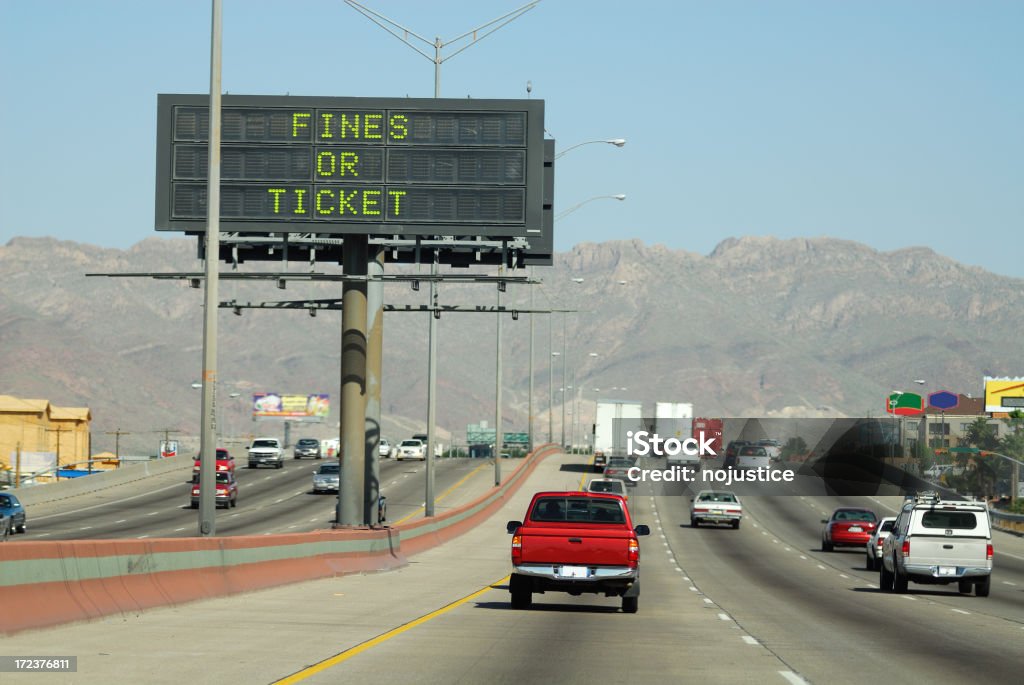
Why Texas Roads Can Be So Dangerous
From the sprawling interstates that stretch across the state to the congested urban freeways in Houston, Dallas, and Austin, Texas highways are as vast as they are unpredictable.
Unfortunately, they’re also some of the most dangerous roads in America. According to the Texas Department of Transportation (TxDOT), over 4,000 people die each year in motor vehicle crashes across the state — many on high-speed highways and rural roads.
At Narvios Law Firm, we’ve seen how quickly a routine drive can turn into a life-changing event. Understanding what makes Texas highways risky — and how to drive defensively — can help keep you and your loved ones safe.
Why Texas Highways Pose Unique Dangers
Texas is home to more than 80,000 miles of public roads, including long rural stretches and major interstate routes like I-10, I-35, and I-45. These roadways face a combination of factors that make accidents more likely:
1. High Speed Limits
Texas highways often have speed limits up to 85 mph, the highest in the nation. While these limits help traffic flow, they also reduce reaction time and increase the force of impact during collisions.
2. Heavy Commercial Truck Traffic
Texas is a hub for interstate commerce, meaning thousands of 18-wheelers travel its highways daily. Large trucks have massive blind spots, take longer to stop, and can cause catastrophic damage in a crash.
3. Drunk and Distracted Driving
Every year, one in four traffic deaths in Texas involves alcohol. Distracted driving, particularly texting behind the wheel, continues to rise despite strict laws.
4. Rural Road Hazards
Many serious crashes occur on two-lane rural roads where lighting is poor, shoulders are narrow, and emergency response times are slower.
5. Weather and Road Conditions
Texas weather can be unpredictable — from blinding sun glare to flash floods and icy overpasses. Drivers unfamiliar with these conditions often lose control.
Common Types of Highway Accidents
The unique mix of speed, size, and driver behavior on Texas highways leads to several dangerous types of crashes:
-
Rear-end collisions from sudden stops or distracted driving
-
Side-impact crashes during unsafe lane changes or merges
-
Head-on collisions on rural roads with no dividers
-
Truck underride accidents, where smaller cars slide beneath trailers
-
Multi-vehicle pileups caused by poor visibility or chain reactions
Each type of crash can cause severe or fatal injuries, especially when high speeds are involved.
How to Stay Safe on Texas Highways
While you can’t control how others drive, you can significantly reduce your own risk with these defensive driving tips:
1. Keep a Safe Distance
Maintain at least a three-second following distance — and increase it in bad weather or heavy traffic.
2. Watch for Truck “No-Zones”
Avoid lingering beside or directly behind large trucks where the driver can’t see you. Always pass quickly and safely.
3. Limit Distractions
Even a few seconds of inattention can be deadly. Put away your phone, avoid eating while driving, and keep your focus on the road ahead.
4. Don’t Drive Drowsy
Long Texas drives can lead to fatigue. Pull over at rest stops or switch drivers if you start feeling tired.
5. Adapt to Weather Conditions
Slow down during rain, fog, or strong winds. Hydroplaning and reduced visibility are common causes of highway crashes.
6. Watch for Aggressive Drivers
If someone is tailgating or weaving through lanes, don’t engage — let them pass. Road rage incidents often end in tragedy.
What to Do After a Highway Accident
If you’re involved in a crash, your actions immediately afterward can make a huge difference in your safety and legal options:
-
Call 911 — Report the accident and request medical help if needed.
-
Move to safety if possible, but don’t leave the scene.
-
Document everything — take photos of the vehicles, road conditions, and visible injuries.
-
Exchange information with other drivers and witnesses.
-
Avoid making statements about fault to police or insurance adjusters.
-
Seek medical evaluation, even for minor pain or dizziness.
-
Contact a personal injury attorney before dealing with insurers or signing any forms.
Understanding Your Rights After a Crash
Texas follows a modified comparative fault rule, meaning you can recover damages as long as you are less than 51% at fault for the accident.
Compensation may cover:
-
Medical expenses and rehabilitation
-
Vehicle repair or replacement
-
Lost income from missed work
-
Pain and suffering
-
Long-term disability or disfigurement
But insurance companies often use delay tactics or minimize payouts — especially after high-impact highway crashes involving multiple vehicles.
An experienced lawyer can help investigate the accident, gather evidence (like traffic cam footage and truck logs), and fight for the full compensation you deserve.
Real-World Example: The I-35 Pileup
In 2021, a 130-vehicle pileup on I-35 in Fort Worth made national headlines. Six people lost their lives and dozens were injured after icy conditions caused drivers to lose control.
This tragedy underscored how a single mistake — or failure to prepare for weather — can have devastating consequences on Texas highways.
It also showed why responsibility doesn’t always rest with one driver. Road maintenance crews, trucking companies, and even vehicle manufacturers may share liability depending on the circumstances.
Staying Prepared for Texas Roads
Before any highway trip, take a few precautions:
-
Check your tire pressure and fluid levels.
-
Plan your route and rest stops in advance.
-
Keep an emergency kit (flashlight, water, first aid, charger, etc.).
-
Review your auto insurance for uninsured/underinsured motorist coverage.
Preparation and awareness are key to avoiding tragedy on Texas highways.
Conclusion: Drive Smart, Stay Protected
Texas highways connect communities, families, and industries — but they also demand respect and caution. Every driver plays a part in keeping the roads safe.
If you or someone you love has been injured in a highway accident, Narvios Law Firm is here to help you navigate the legal road ahead. Our team will fight for your rights, handle the insurance companies, and help you rebuild after a devastating crash.
Because when the unexpected happens, you deserve someone in your corner who truly cares.