
Turning Awareness Into Action
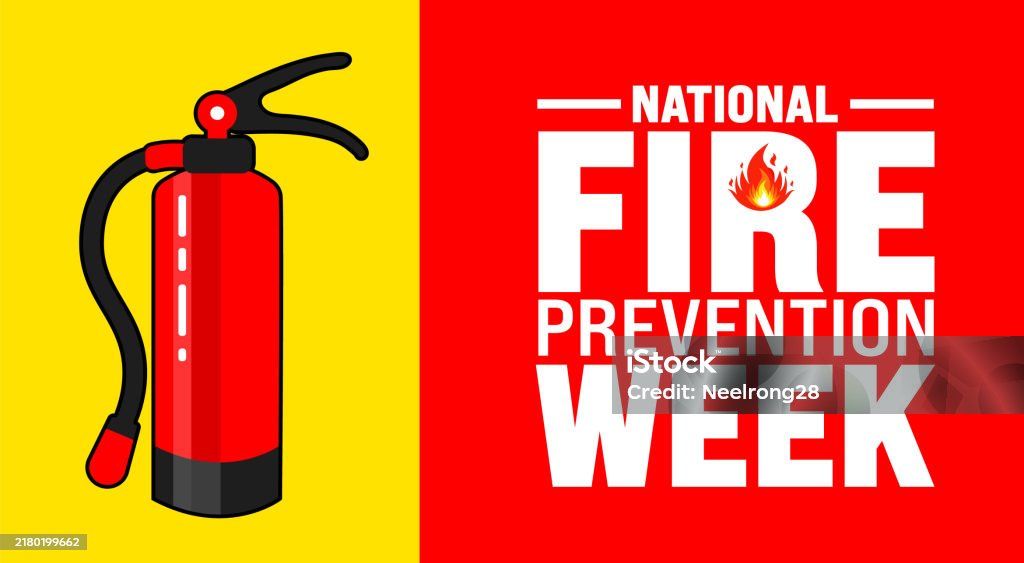
Every October, communities across Texas come together to observe Fire Prevention Week, an annual campaign designed to raise awareness about fire safety and save lives. From school presentations to community demonstrations by local fire departments, this week reminds us of something simple yet vital: most fires are preventable.
But while fire safety often starts with awareness, real protection comes from preparation. Whether it’s a small kitchen fire, a vehicle accident, or an industrial explosion, the aftermath of a burn injury can be devastating.
In Texas, where wildfires, workplace hazards, and urban fires remain common, understanding the risks—and your rights if you’re injured—can make all the difference.
Why Fire Prevention Week Matters in Texas
Fire Prevention Week has roots dating back to 1922, inspired by the Great Chicago Fire of 1871. It’s now the longest-running public health and safety observance in U.S. history.
For Texans, this message hits close to home. The Texas A&M Forest Service reported that in 2024 alone, over 1.1 million acres burned across the state. Dry weather, high winds, and human error all contribute to a fire risk that affects both rural and urban communities.
But beyond wildfires, many of the most tragic incidents happen in homes, vehicles, and workplaces—places where people least expect danger.
Common Causes of Fire and Burn Injuries
Not all fires are accidental. Many stem from negligence, defective products, or unsafe working conditions. Here are some of the most common causes across Texas:
1. Residential Fires
The majority of fires begin at home. Leading causes include:
-
Cooking accidents: Unattended stoves or grease fires are top culprits.
-
Electrical malfunctions: Faulty wiring, overloaded outlets, or defective appliances.
-
Heating equipment: Space heaters placed too close to furniture or bedding.
-
Smoking materials: Cigarettes left burning in ashtrays or near flammable materials.
2. Vehicle Fires
Texas sees thousands of car fires every year, often linked to:
-
Fuel system leaks
-
Defective auto parts (batteries, airbags, or wiring)
-
Overheated engines or collisions
These incidents can lead to severe burns, inhalation injuries, and even explosions.
3. Workplace and Industrial Fires
In oil refineries, construction sites, or factories, fires can erupt from:
-
Improper storage of flammable materials
-
Equipment malfunctions or electrical sparks
-
Lack of safety training or fire suppression systems
4. Wildfires
In rural parts of Texas, wildfires are an increasing threat. Many start from unattended campfires, discarded cigarettes, or power line sparks—and can spread quickly across dry terrain.
The Reality of Burn Injuries
Burn injuries vary widely in severity, but all can have lasting effects. Medical experts categorize them into three degrees:
-
First-degree burns: Affect only the outer layer of skin, causing redness and mild pain.
-
Second-degree burns: Damage deeper skin layers, leading to blisters, swelling, and scarring.
-
Third-degree burns: Destroy skin, nerves, and tissue—often requiring skin grafts and extensive medical care.
Beyond the physical pain, victims often face emotional trauma, disfigurement, and financial hardship from medical bills and lost income.
According to the American Burn Association, around 450,000 people in the U.S. receive medical treatment for burn injuries each year—and many of these cases result from preventable causes.
Preventing Fires: Simple Steps That Save Lives
Fire Prevention Week is the perfect time to review your safety habits at home and work. These simple actions can dramatically reduce your risk:
At Home
-
Install smoke alarms on every level of your home and test them monthly.
-
Plan and practice a fire escape route with all family members.
-
Keep flammable items at least three feet away from heaters or stoves.
-
Never leave cooking unattended, especially when frying.
-
Replace frayed cords and avoid overloading outlets.
At Work
-
Ensure all employees receive fire safety and evacuation training.
-
Inspect electrical and mechanical equipment regularly.
-
Keep fire extinguishers accessible and up to date.
-
Store chemicals properly and follow OSHA safety standards.
On the Road
-
Address fuel or oil leaks immediately.
-
Keep a fire extinguisher in your vehicle.
-
Don’t ignore recall notices for electrical or fuel system defects.
Fire prevention isn’t just about knowing what to do—it’s about making safety a habit.
Legal Rights After a Fire or Burn Injury
When a fire is caused by negligence—whether from a property owner, employer, manufacturer, or another party—the victims may have the right to seek compensation.
Here are some common legal scenarios in Texas:
1. Premises Liability
If a fire occurs in a rental property or commercial building, the property owner or manager may be liable for failing to maintain smoke alarms, fire exits, or electrical systems.
2. Product Liability
Defective products—such as faulty wiring, malfunctioning space heaters, or exploding batteries—can cause serious fires. In these cases, the manufacturer or distributor can be held responsible.
3. Workplace Negligence
Employers are legally required to provide a safe work environment. Failure to maintain safety protocols, provide fire-resistant gear, or train employees properly can result in liability claims.
4. Vehicle Defects
If a defective auto part leads to a fire after a crash or while driving, the automaker or parts manufacturer may be responsible for the resulting injuries.
Victims may be entitled to compensation for:
-
Medical expenses and rehabilitation
-
Lost wages and loss of earning potential
-
Pain and suffering
-
Disfigurement and long-term care
-
Wrongful death damages (for families of fatal fire victims)
Steps to Take After a Fire-Related Injury
If you or a loved one has suffered a burn injury due to a fire, taking quick and careful action can protect your health and your legal rights:
-
Seek medical attention immediately. Burns can worsen quickly and cause infections.
-
Report the incident to authorities or your employer.
-
Document everything: photos of injuries, property damage, and unsafe conditions.
-
Preserve evidence, including defective products or appliances.
-
Consult a personal injury attorney before speaking to insurance companies or signing documents.
These steps ensure you have a strong foundation for your claim should you pursue legal action.
How a Personal Injury Lawyer Can Help
Fire and burn injury cases are often complex. They may involve multiple parties, from manufacturers to landlords, and require expert testimony to prove negligence or product defects.
An experienced Texas personal injury lawyer can help by:
-
Investigating the cause of the fire
-
Identifying all liable parties
-
Working with fire investigators and safety experts
-
Calculating the full extent of damages
-
Negotiating with insurers or litigating if necessary
At Daniel Stark Law Firm, we’ve represented countless victims of fire and burn injuries across Texas. We understand the physical pain, emotional distress, and financial struggles that follow these tragic events—and we’re here to help victims get the justice they deserve.
Conclusion: Prevention Is Power
Fire Prevention Week serves as a reminder that safety begins with awareness—but doesn’t end there. It’s about taking action to prevent tragedies before they happen and holding negligent parties accountable when they do.