
When Concern Turns Into Action
It’s not easy to imagine a loved one being mistreated, especially in a place you trusted to care for them. Yet, elder abuse is more common than most people realize. According to the National Council on Aging (NCOA), as many as 1 in 10 Americans over 60 experience some form of abuse each year, though many cases go unreported.
The question is: How do you know if it’s happening? And if you suspect something isn’t right, what should you ask?
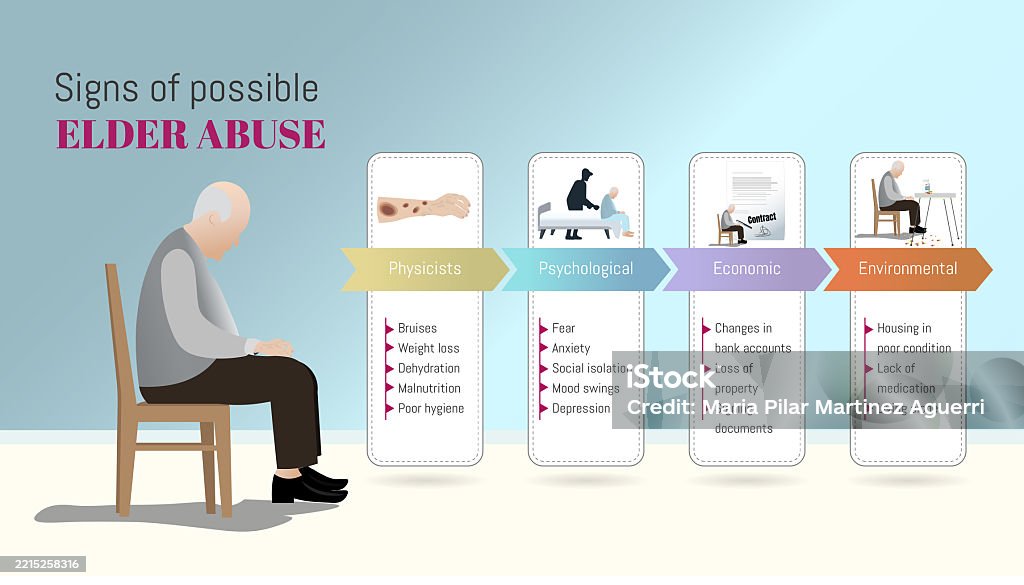
Recognizing the Signs of Elder Abuse
Elder abuse can take many forms, including physical harm, emotional mistreatment, neglect, or financial exploitation. Warning signs may include:
-
Unexplained bruises or injuries
-
Sudden weight loss or dehydration
-
Withdrawal from social interactions
-
Unpaid bills or missing belongings
-
Caregivers refusing to leave you alone with your loved one
Once you notice these red flags, asking the right questions is essential.
The Best Questions to Ask
Questions for Your Loved One
-
“Do you feel safe here?”
-
“Has anyone hurt or scared you?”
-
“Are you getting enough food and water?”
-
“Is there anything you’re afraid to tell me?”
-
“Do staff members listen when you ask for help?”
These open-ended questions give your loved one space to speak freely, especially if they’ve been hesitant to share.
Questions for Caregivers or Facility Staff
-
“Can you explain these bruises or injuries?”
-
“How often is my loved one checked on during the day and night?”
-
“What’s your staff-to-patient ratio?”
-
“How do you handle medical emergencies?”
-
“How do you prevent falls or accidents?”
Their answers—or their reluctance to answer—can tell you a lot.
Questions for Yourself
Sometimes, it helps to step back and ask yourself:
-
“Does this facility look clean and safe?”
-
“Does my loved one seem more anxious or withdrawn than usual?”
-
“Am I being discouraged from visiting or asking questions?”
Trust your instincts. If something feels off, it probably is.
What to Do if You Suspect Abuse
-
Document Everything: Take notes, photos, and keep medical records.
-
Report Concerns: Contact Adult Protective Services or your state’s elder abuse hotline.
-
Seek Legal Guidance: A personal injury attorney can help protect your loved one’s rights and hold negligent facilities accountable.
A Story to Remember
One Texas family noticed their father had recurring bruises and unexplained weight loss. When they asked staff, the answers didn’t add up. After asking direct questions and consulting an attorney, they discovered neglect was to blame. Taking action not only protected their father—it also forced the facility to improve conditions for other residents.
Conclusion: Protecting Those Who Once Protected Us
Asking the right questions isn’t about being difficult—it’s about protecting the people who once cared for us. Elder abuse thrives in silence. By staying observant, asking tough questions, and seeking help when necessary, you can make sure your loved one receives the dignity and care they deserve.