
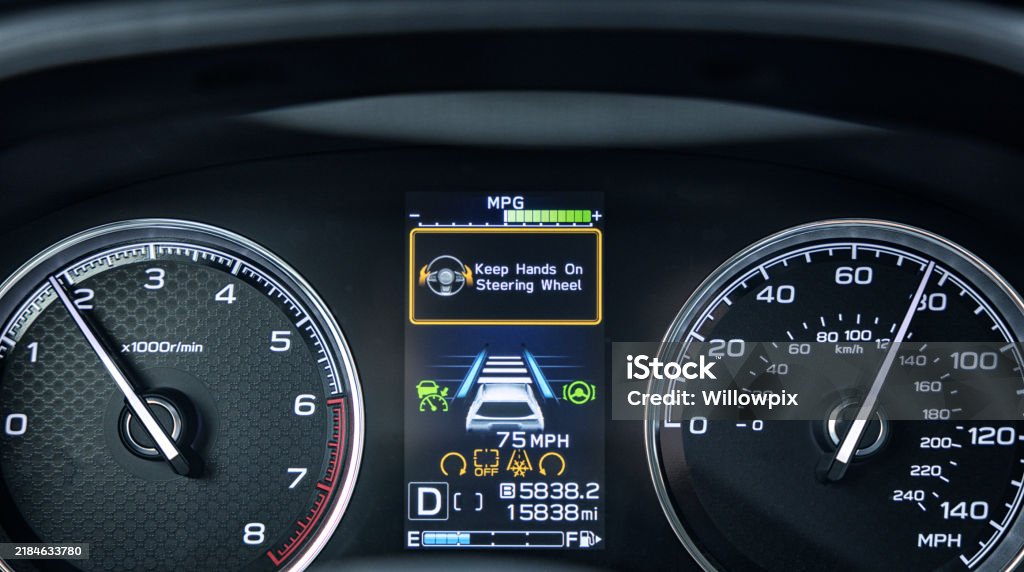
Why Your Car’s Safety Features Matter More Than Ever
Texas roads are busy, fast, and unpredictable — especially with rising crash rates, distracted driving, and overcrowded highways. You can’t control what other drivers do, but you can control what kind of protection your vehicle gives you.
Whether you’re shopping for a new car or checking if your current vehicle is equipped to keep you safe, knowing which features truly matter could save your life. At Narvios Law Firm, we’ve represented countless clients whose injuries were made worse simply because their cars lacked basic modern safety tools.
Let’s break down the must-have safety features every driver should demand — the ones that protect you, your passengers, and everyone around you.
The Safety Features That Should Never Be Optional
1. Automatic Emergency Braking (AEB)
AEB detects an impending collision and applies the brakes for you when you don’t react fast enough. This feature is especially important in:
-
Rear-end collisions
-
Stop-and-go traffic
-
Distracted driving scenarios
Drivers often think they’ll be alert enough to respond, but in real crashes, even a half second makes the difference between a near-miss and a life-changing injury.
2. Blind Spot Monitoring (BSM)
Changing lanes on I-35 or the 610 Loop can feel like a gamble. Blind spot monitoring gives you visual or audio warnings when a vehicle is hiding in the space you can’t see.
This is crucial for preventing:
-
Sideswipe crashes
-
Collisions caused by sudden lane changes
-
Crashes with motorcycles, which are harder to spot
3. Lane Departure Warning & Lane Keeping Assist
Texas roads — especially rural highways — can lull drivers into drifting. These systems notice when you unintentionally leave your lane and:
-
Warn you with vibration or sound, or
-
Gently steer you back into place
This is especially helpful for tired or distracted drivers.
4. Backup Cameras & Rear Cross-Traffic Alerts
Backing out of crowded parking lots — grocery stores, sports events, concerts — is a known danger zone. Rear cross-traffic alerts warn you about approaching cars or pedestrians.
Backup cameras became mandatory in 2018, but older vehicles may still lack them.
5. Adaptive Cruise Control (ACC)
ACC maintains a safe, consistent distance between you and the car ahead. It automatically slows and accelerates based on traffic flow.
It’s incredibly useful for easing stress during:
-
Long highway drives
-
Heavy commuting
-
Stop-and-go congestion
6. Traction Control & Electronic Stability Control (ESC)
ESC helps prevent skidding or losing control — especially in wet weather or sharp turns. It’s been required on all new vehicles since 2012.
Still, many older cars lack this lifesaving feature.
7. Airbag Improvements: Side, Curtain & Knee Airbags
Modern airbags do much more than deploy in a frontal crash.
You’ll want protection from:
-
Side-impact crashes (common at intersections)
-
Rollovers
-
Dash or steering wheel impact
The more angles protected, the safer everyone inside the car is.
8. Tire Pressure Monitoring System (TPMS)
A sudden blowout is one of the most dangerous — and preventable — highway emergencies. TPMS alerts you when tire pressure drops too low.
Underinflated tires cause:
-
Poor handling
-
Longer stopping distances
-
Higher blowout risk
Upgraded Safety Features Worth Considering
If you want next-level protection, these advanced features take things a step further:
✓ 360° Surround-View Camera
Great for tight parking and avoiding low-visibility hazards.
✓ Driver Attention Monitoring
Detects drowsiness or distraction and warns you to stay alert.
✓ Pedestrian & Cyclist Detection
Extremely valuable in urban areas, school zones, and city intersections.
✓ Advanced Headlights (Automatic High Beams, Curve-Adaptive Lights)
Improves visibility without blinding other drivers.
Why These Features Matter: What We See in Real Cases
At Narvios Law Firm, we’ve represented countless clients whose injuries were far worse because their cars lacked modern safety protections. Here’s the reality:
-
Vehicles without AEB are much more likely to be involved in rear-end crashes.
-
Lack of side-curtain airbags often leads to severe head injuries in T-bone collisions.
-
Blind spot monitoring could prevent many motorcycle-related crashes we handle.
-
TPMS could prevent highway blowouts that cause catastrophic rollovers.
The right safety features don’t make you a perfect driver — they protect you from drivers who aren’t paying attention.
How to Know if Your Car Has These Features
Check your:
-
Owner’s manual
-
Vehicle sticker inside the driver-side door
-
Manufacturer website
-
Vehicle history report (for used cars)
You can also search your car’s VIN number on the NHTSA website for a list of installed safety features.
When Safety Features Fail: Who’s Liable?
Sometimes, accidents happen because a safety system was defective or malfunctioning. In those cases, the manufacturer may be liable.
Examples include:
-
Airbags that failed to deploy
-
AEB that didn’t engage
-
Faulty blind spot sensors giving no warning
-
Tire pressure systems that didn’t alert the driver
Narvios Law Firm investigates:
-
Product defects
-
Recall issues
-
Manufacturing negligence
You may have a product liability claim, not just a car accident claim.
Conclusion: Don’t Compromise on Safety
Your vehicle’s safety features are your first line of defense. They can reduce crash risks, minimize injuries, and even save lives. If you’re buying a car, upgrading, or just evaluating your current one, make sure these features aren’t optional — they’re essential.
And if you’ve been injured in a crash where a negligent driver or a vehicle defect played a role, Narvios Law Firm is here to help you understand your rights and fight for the compensation you deserve.