
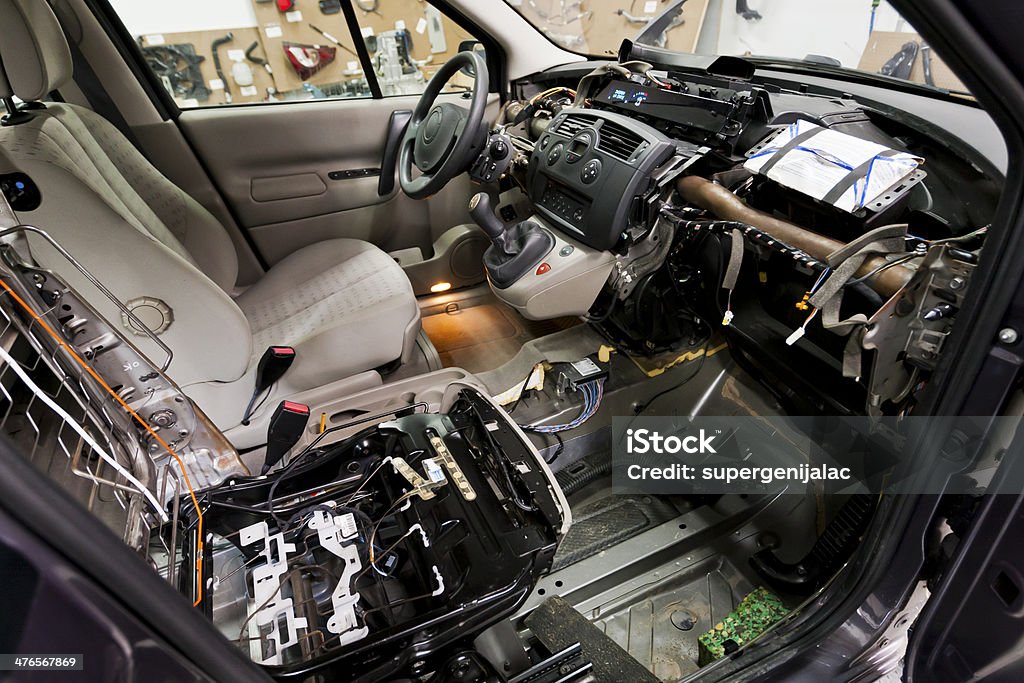
When a Trusted Vehicle Turns Dangerous
You trust your car to keep you safe — to protect your family on road trips, commutes, and everyday errands. But what if the very thing designed to safeguard you is the cause of danger?
Across Texas and the nation, thousands of car accidents each year are linked not to reckless driving, but to defective auto parts — from faulty brakes to exploding airbags. These hidden dangers often go unnoticed until tragedy strikes, leaving victims with devastating injuries and questions about who is truly to blame.
When a manufacturer’s oversight, poor-quality materials, or inadequate testing causes harm, it’s not just a mechanical failure — it’s a failure of responsibility.
The Hidden Danger of Defective Auto Parts
Cars today are complex machines made up of thousands of components working together. Even a small defect — a missing bolt, a glitch in an airbag sensor, or a malfunctioning brake line — can trigger catastrophic results.
According to the National Highway Traffic Safety Administration (NHTSA), vehicle defects cause tens of thousands of accidents each year in the U.S. In 2024 alone, millions of vehicles were recalled for issues ranging from defective seatbelts to fire risks from electrical failures.
In Texas, where highways stretch for miles and traffic conditions vary from city congestion to rural roads, defective components can quickly turn an ordinary drive into a life-threatening situation.
Common Types of Defective Auto Parts
Understanding what can go wrong is the first step in staying safe. Here are some of the most common and dangerous auto part defects:
1. Airbag Failures
Airbags are designed to save lives, but defective ones can do the opposite. Issues include:
-
Failure to deploy during a crash
-
Unexpected deployment
-
Explosions from faulty inflators (like those in the Takata recall, which injured and killed dozens worldwide)
2. Brake System Malfunctions
When brakes fail, drivers lose one of their most critical safety tools. Common problems include:
-
Hydraulic fluid leaks
-
Defective brake pads or rotors
-
Malfunctioning anti-lock brake systems (ABS)
3. Tire Defects
Defective tires can cause sudden blowouts at high speeds, leading to rollover crashes. Typical causes include:
-
Tread separation
-
Poor manufacturing or design flaws
-
Use of expired or recalled tires by dealerships
4. Steering and Suspension Failures
Faulty steering columns or suspension systems can make it impossible to control a vehicle, especially at high speeds or during turns.
5. Electrical System Defects
Electrical issues can cause fires, loss of power steering, or complete engine failure. These malfunctions are especially dangerous on highways.
6. Fuel System and Engine Defects
Fuel leaks, improper seals, and engine overheating can lead to fires or explosions — risks that have been the focus of several major recalls in recent years.
Real-World Impact: When Defects Turn Deadly
Imagine this: a young father in Austin is driving home after work when his airbag suddenly deploys for no reason, blocking his vision and causing a collision. Or a family in Dallas traveling for the holidays experiences a tire blowout on the freeway due to a defect the manufacturer knew about but never disclosed.
These aren’t isolated incidents — they’re real stories that happen across Texas every year.
Victims of these accidents often face serious injuries, including:
-
Traumatic brain injuries
-
Spinal cord damage
-
Severe burns from fires or explosions
-
Broken bones and internal bleeding
-
Permanent disfigurement
What makes these accidents especially heartbreaking is that they are entirely preventable.
Why Defective Parts Make Accidents More Complex
Car accidents caused by defective auto parts often differ from typical collisions. Instead of focusing solely on driver negligence, investigators must determine whether a product failure played a role — and that involves complex evidence.
Key challenges include:
-
Identifying the defective part: Was it the brakes, tires, or another component?
-
Determining when the defect occurred: Was it a design flaw, a manufacturing error, or improper installation?
-
Establishing liability: Who is responsible — the automaker, the parts supplier, the dealership, or the repair shop?
This is where having a knowledgeable personal injury attorney is crucial. Product liability laws in Texas can hold manufacturers, distributors, and retailers accountable when a defective product causes harm.
The Three Types of Auto Part Defects
Under Texas product liability law, defective auto parts typically fall into one of three categories:
1. Design Defects
A design defect means the part was unsafe from the beginning — even before it was made. For example, an SUV prone to rollovers due to a high center of gravity would be considered to have a design defect.
2. Manufacturing Defects
A manufacturing defect happens when something goes wrong during production. This might include:
-
A missing component
-
Poor-quality materials
-
Errors during assembly
Even if most cars are safe, a single defective batch can cause widespread harm.
3. Marketing (Failure to Warn) Defects
Manufacturers must warn consumers about known risks. If they fail to issue proper recall notices or safety instructions, they can be held liable for resulting injuries.
How to Know If Your Accident Was Caused by a Defective Part
After a car crash, it’s not always clear what caused it. However, some warning signs may indicate a defect played a role:
-
Airbags didn’t deploy or deployed unexpectedly
-
Brake failure without warning lights
-
Tire blowout with no puncture evidence
-
Vehicle stalling or catching fire for no apparent reason
-
Multiple drivers reporting similar issues with the same model
If you suspect a defective part caused your accident, do not repair or dispose of your vehicle until it has been inspected. This evidence can be critical in a product liability case.
Steps to Take After a Defective Auto Part Accident
-
Seek medical care immediately. Even minor burns, head injuries, or back pain can worsen over time.
-
Report the accident to the police and your insurance company.
-
Preserve your vehicle and parts for investigation — don’t authorize repairs yet.
-
Document everything: injuries, hospital visits, and conversations with insurers.
-
Consult a personal injury lawyer experienced in product liability cases before signing any settlement offers.
Who Can Be Held Liable?
In Texas, several parties may share responsibility for injuries caused by defective car parts:
-
Manufacturers who designed or built the faulty component
-
Parts suppliers who provided defective materials
-
Dealerships that sold vehicles without addressing recalls
-
Repair shops that improperly installed or replaced components
Each case is unique, and determining liability often requires a detailed investigation involving engineers, accident reconstruction experts, and legal professionals.
Compensation Available for Victims
Victims of defective auto part accidents may be entitled to recover compensation for:
-
Medical bills (past and future)
-
Lost wages and loss of earning capacity
-
Pain and suffering
-
Emotional distress
-
Property damage
-
Wrongful death damages (for surviving family members)
A skilled attorney can help ensure victims receive the full value of their claim, not just what insurance companies offer upfront.
Preventing Defective Part Accidents
While you can’t control how automakers build vehicles, you can take proactive steps to stay safe:
-
Register your vehicle with the manufacturer to receive recall alerts.
-
Check for recalls regularly at nhtsa.gov/recalls.
-
Get your car inspected by a certified mechanic if something feels “off.”
-
Avoid ignoring dashboard warnings or unusual sounds.
Your attentiveness could prevent a tragedy.
Conclusion: Your Safety Should Never Be Compromised
A car should never endanger the person it’s meant to protect. Defective auto parts don’t just cause accidents — they shatter lives. But by staying informed, acting quickly after a crash, and seeking strong legal representation, victims can reclaim control and hold wrongdoers accountable.