
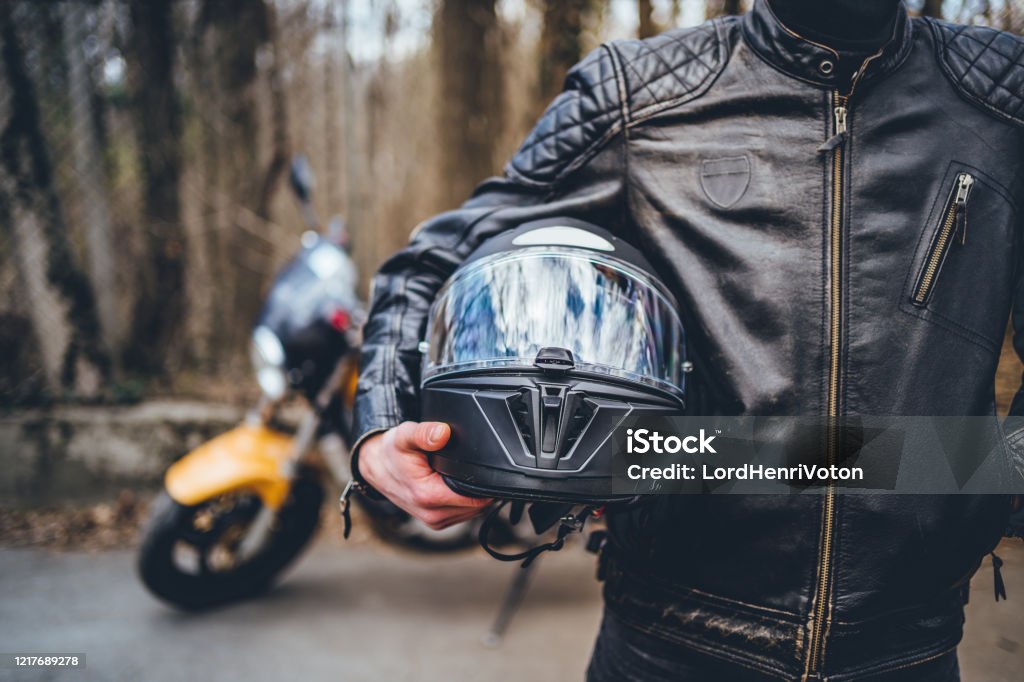
Riding Free, Riding Safe
Motorcycle riding is often described as the ultimate sense of freedom—the wind on your face, the open road ahead, and nothing but the hum of the engine beneath you. But as thrilling as it is, motorcycling also comes with risks. Unlike cars, motorcycles offer little physical protection. That’s why one of the most important pieces of gear you can wear is a helmet.
Let’s break down exactly how helmets protect riders, both physically and legally.
The Science of Helmet Protection
Reducing Impact Forces
When a crash happens, a helmet absorbs much of the impact that would otherwise go directly to your skull and brain. The outer shell spreads the force of the blow, while the inner foam liner cushions it.
Preventing Traumatic Brain Injuries (TBIs)
Head injuries are among the most common causes of death and disability in motorcycle crashes. Helmets drastically reduce the risk of TBIs by preventing skull fractures and brain swelling.
Protecting the Face and Eyes
Full-face helmets not only guard against blunt force injuries but also protect riders from road debris, wind, and bugs that could impair vision and cause an accident.
What the Numbers Say
According to the National Highway Traffic Safety Administration (NHTSA):
-
Helmets are 37% effective in preventing fatal injuries to motorcycle riders.
-
They are 41% effective for motorcycle passengers.
-
Thousands of lives are saved each year simply because riders chose to wear a helmet.
In Texas, helmet use is required for riders under 21. Riders over 21 may choose not to wear one if they complete a safety course or have the proper insurance. But just because it’s optional doesn’t mean it’s safe to skip.
Helmets and the Law
If you’re involved in a motorcycle accident, whether or not you were wearing a helmet could affect your personal injury claim. Insurance companies may argue that not wearing a helmet contributed to your injuries, which could reduce your compensation.
In other words, a helmet not only protects your head—it protects your legal rights.
Choosing the Right Helmet
Not all helmets are created equal. Here’s what to look for:
-
DOT Certification: Ensures the helmet meets federal safety standards.
-
Proper Fit: It should be snug but comfortable, without shifting when you move your head.
-
Full-Face Protection: Offers the most coverage compared to open-face or half helmets.
-
Comfort Features: Good ventilation and clear visors make long rides safer and more enjoyable.
Real-World Example
Imagine two riders get into nearly identical accidents at an Austin intersection. One is wearing a DOT-approved full-face helmet, and the other is not. The helmeted rider walks away with minor scrapes and a concussion. The unhelmeted rider, unfortunately, suffers a skull fracture and permanent brain injury.
This isn’t just a hypothetical—it’s the kind of contrast ER doctors and personal injury lawyers see all too often.
Conclusion: Gear Up for Safety and Peace of Mind
Wearing a motorcycle helmet is about more than compliance—it’s about survival. Helmets save lives, reduce injuries, and protect your ability to recover compensation after an accident.
So, the next time you rev up your engine and hit the road, remember: freedom feels even better when you’re safe.