
Why Crash Tests Matter Beyond the Car Lot
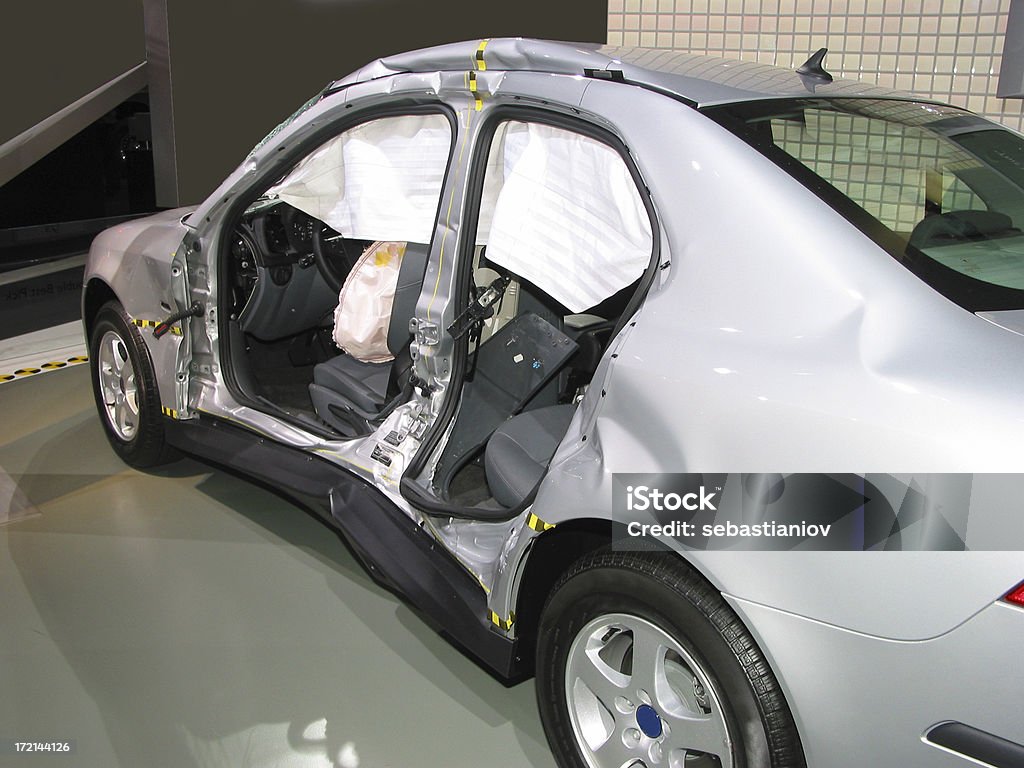
When most people hear “crash test,” they think of cars smashing into barriers in a controlled environment. Automakers use these tests to evaluate how safe their vehicles are. But crash tests aren’t just for manufacturers or safety agencies—they can also play a powerful role in personal injury cases after a car accident.
Imagine you’re injured in a collision, and the other driver’s insurance company argues your injuries shouldn’t be so severe. Crash test data could help prove that your vehicle—or the other driver’s vehicle—performed poorly under impact, making your injuries more understandable and your claim stronger.
What Are Crash Tests?
Crash tests are simulations conducted by organizations like the National Highway Traffic Safety Administration (NHTSA) and the Insurance Institute for Highway Safety (IIHS). They measure:
-
Vehicle crashworthiness: How well a car protects its occupants.
-
Crash avoidance: How effectively a vehicle prevents accidents.
-
Impact forces: The stress put on dummies designed to mimic the human body.
Ratings are often expressed in stars (NHTSA) or categories like “Good” or “Poor” (IIHS).
The Role of Crash Test Data in Legal Cases
Establishing Liability
Crash test results can show whether a car model has known safety flaws. If a defective seatbelt, airbag, or crumple zone worsened your injuries, that evidence could support a product liability claim.
Demonstrating Injury Severity
Insurance companies often downplay injuries. By comparing your crash with crash test data, attorneys can demonstrate how forces of impact line up with your medical condition.
Highlighting Negligence
If a driver was using a vehicle with poor crash safety ratings and failed to maintain it properly, that evidence may strengthen your case.
A Real-World Example
Take the case of the Takata airbag recalls. Crash tests revealed how defective airbags could explode and cause severe injuries. Victims injured in crashes involving these airbags used crash test data as evidence to hold manufacturers accountable—and won significant compensation.
How Your Lawyer Can Use Crash Tests
An experienced personal injury lawyer may:
-
Work with crash reconstruction experts to compare your accident with test results.
-
Use government safety ratings to support arguments about your injuries.
-
Present visual crash test videos to juries for powerful storytelling.
What You Can Do as a Driver
-
Research crash test ratings before buying a car.
-
Stay informed about recalls and safety defects.
-
Document your accident carefully so attorneys can compare it to crash test evidence later.
Conclusion: From the Lab to the Courtroom
Crash tests aren’t just scientific experiments—they’re proof that cars don’t all protect us equally. In a personal injury case, they can bridge the gap between “just another accident” and a strong claim for compensation.