
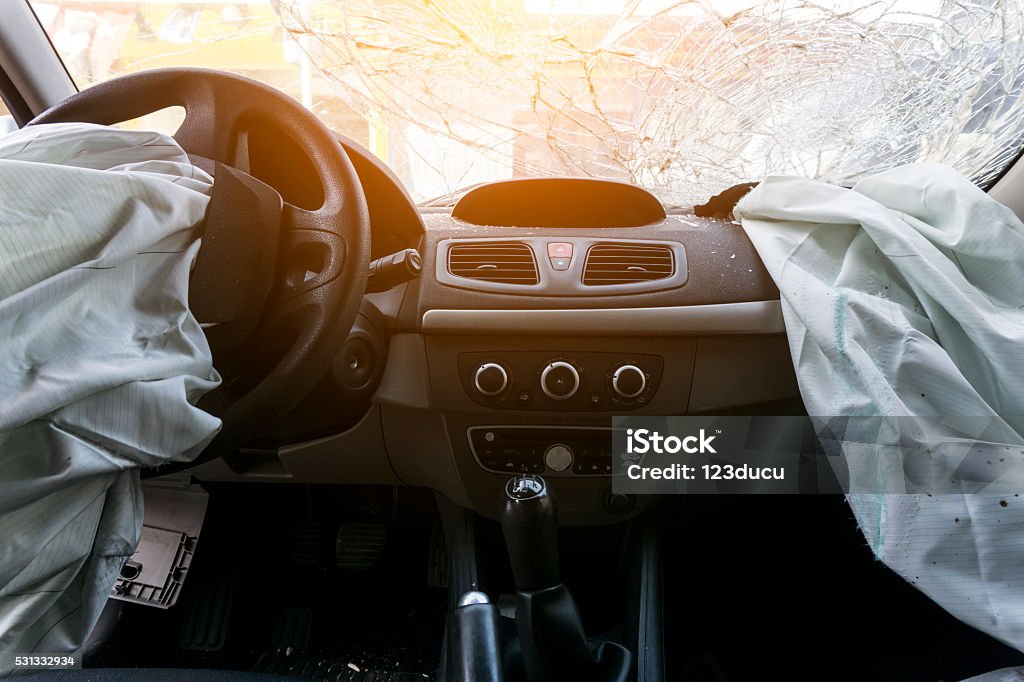
Eleventh Death Confirmed for Defective Takata Airbags
When you get behind the wheel, you expect your car’s safety features to protect you—not to become the very thing that puts you in danger. Yet that’s exactly what has happened to drivers across the country with defective Takata airbags.
Recently, the National Highway Traffic Safety Administration (NHTSA) confirmed the eleventh U.S. death linked to Takata airbags. These tragic incidents are part of one of the largest and most dangerous automotive recalls in history, and the numbers are still climbing.
What Makes Takata Airbags So Dangerous?
Airbags are designed to cushion and save lives during crashes. But in the case of Takata, a flawed inflator design turned them into deadly weapons.
-
The airbags used a chemical called ammonium nitrate to inflate quickly.
-
Over time, especially in hot and humid climates like Texas, the chemical became unstable.
-
Instead of inflating normally, the airbags could explode with excessive force.
-
This caused sharp metal fragments to shoot into drivers and passengers—like shrapnel from a bomb.
Instead of preventing injuries, these airbags caused them.
The Human Toll of a Defective Product
The confirmed deaths are only part of the story. Hundreds of drivers and passengers have been injured—many with devastating consequences, including:
-
Severe facial injuries
-
Neck wounds
-
Eye damage and blindness
-
Permanent scarring
Families who thought they were protected during accidents have had their lives turned upside down by a defect they never even knew existed.
One victim’s family described the loss as “unimaginable,” sharing that their loved one survived the crash itself but died from the airbag explosion. It’s stories like these that highlight the importance of recalls and accountability.
The Largest Recall in Automotive History
The Takata recall has affected more than 67 million airbags in the United States across dozens of car brands, including Honda, Toyota, Ford, Nissan, BMW, and many others. Globally, that number rises even higher.
Despite repeated recall notices, millions of defective airbags remain on the road today. Some vehicles are older and have changed owners, making it harder to notify drivers. Others are still waiting for replacement parts.
The scale of this recall shows just how widespread and serious the problem is.
What Drivers Can Do to Stay Safe
If you’re worried about whether your vehicle might be affected, here’s what you can do:
-
Check your VIN number. Go to NHTSA’s recall website and enter your Vehicle Identification Number to see if your car is under recall.
-
Contact your dealership. If your car is affected, the dealership must replace the defective airbag for free.
-
Take recall notices seriously. Don’t ignore letters or emails from manufacturers—this isn’t a minor fix, it’s life or death.
-
Warn others. If you know friends or family with older vehicles, encourage them to check their cars as well.
Accountability Matters
Cases like Takata remind us why corporate accountability is so important. Manufacturers have a duty to design and produce products that are safe for consumers. When they fail, they must be held responsible.
For victims and families, compensation can help cover medical bills, lost wages, and the lifelong impact of these injuries. But equally important is justice—the assurance that companies can’t cut corners on safety without consequences.
Conclusion: A Life-Saving Reminder
The confirmation of an eleventh death from defective Takata airbags is more than just a statistic—it’s a reminder of the real people behind the headlines. Each case represents a family forever changed by something that should have protected them.
If you own a vehicle, take the time to check for recalls today. A few minutes could prevent a tragedy. And if you or someone you love has been injured by a defective product, know that you have the right to seek justice and hold negligent companies accountable.