
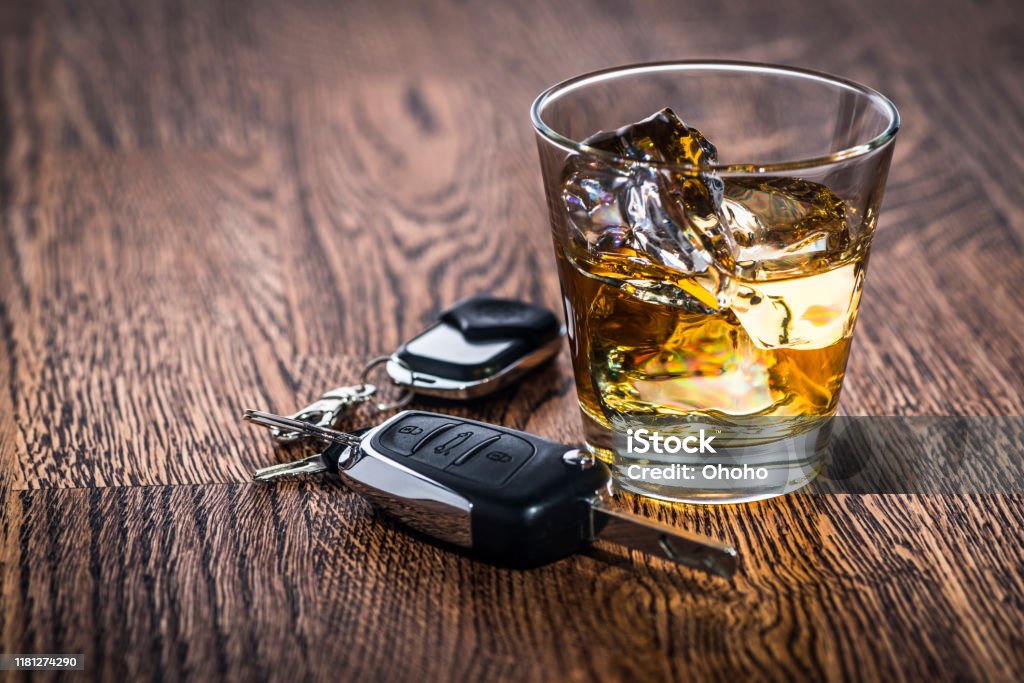
Drunk Driving: Over the Limit and Under Arrest
Here’s what drivers should know about DUI/DWI laws, penalties, defenses, and—most importantly—how to prevent tragedy on Texas roads. Alcohol and driving don’t mix. Even “buzzed” driving slows reaction time, harms judgment, and turns minor mistakes into deadly crashes.
Legal Limits and “Impairment” Basics
In Texas, a driver is legally intoxicated at 0.08% BAC (blood alcohol concentration). Commercial drivers face a 0.04% limit; for drivers under 21, any detectable alcohol can trigger charges. But you can be arrested below 0.08% if officers observe impairment based on driving behavior, field sobriety tests, or breath/blood results.
Key point: “I felt fine” isn’t a defense. BAC depends on weight, sex, food, medications, and time.
How DUI Arrests Usually Unfold
-
Stop: Lane weaving, speeding, or equipment issues can prompt a stop.
-
Observation: Officer notes odor, slurred speech, glassy eyes.
-
Field sobriety tests: Walk-and-turn, one-leg stand, HGN (eye) test.
-
Breath/blood test: Refusal can lead to immediate license consequences under implied consent laws.
-
Arrest & booking.
Dash/body-cam footage, test calibration records, and medical conditions can all matter later in court.
Penalties: What’s at Stake
Penalties scale with prior offenses, BAC, and aggravators (crash, injuries, child passenger).
-
First offense: Fines, possible jail, license suspension, ignition interlock, probation, alcohol education, community service.
-
Higher BAC or repeat offenses: Longer jail, steeper fines, longer suspensions, potential felony.
-
Injury or death: Intoxication assault or manslaughter felonies with prison exposure and lifetime consequences.
Expect SR-22 insurance, which increases costs significantly.
Collateral Damage
A DUI affects employment (especially CDL or driving-heavy roles), professional licenses, immigration status, travel to some countries, and child custody disputes. Public record and background checks follow you for years.
Possible Defenses (Case-Specific)
-
Illegal stop: No reasonable suspicion.
-
Testing errors: Improper calibration, contaminated samples, rising BAC arguments.
-
Medical factors: GERD, diabetes (acetone), neurological issues mimicking impairment.
-
Field test conditions: Poor lighting, uneven surfaces, weather, footwear.
No lawyer can promise a result, but a DWI attorney can scrutinize every procedural and scientific step for leverage.
Safer Roads Start Before You Drink
-
Plan a ride: Rideshare, taxi, designated driver, or public transit.
-
Count standard drinks: 12 oz beer, 5 oz wine, 1.5 oz spirits. Cocktails may equal 2–3 drinks.
-
Wait it out: BAC falls roughly 0.015% per hour—you cannot “hack” metabolism with coffee or cold showers.
-
Host smart: Offer food, water, and rides; collect keys if needed.
What to Do If You’re Stopped
-
Pull over safely, stay in the car, hands visible.
-
Be respectful; provide license/insurance.
-
You may decline roadside exercises; know that refusal can trigger administrative penalties.
-
Ask for an attorney; do not argue your case on the roadside.
-
If arrested, document everything while fresh in your mind.
After a DUI Arrest
Deadlines are tight. In Texas, you typically have a short window to request a hearing to challenge license suspension. A DWI lawyer can evaluate evidence, negotiate charge reductions, argue for occupational licenses, or take the case to trial when warranted.
Bottom line: The best defense is prevention. If alcohol is in your plan, driving shouldn’t be.