
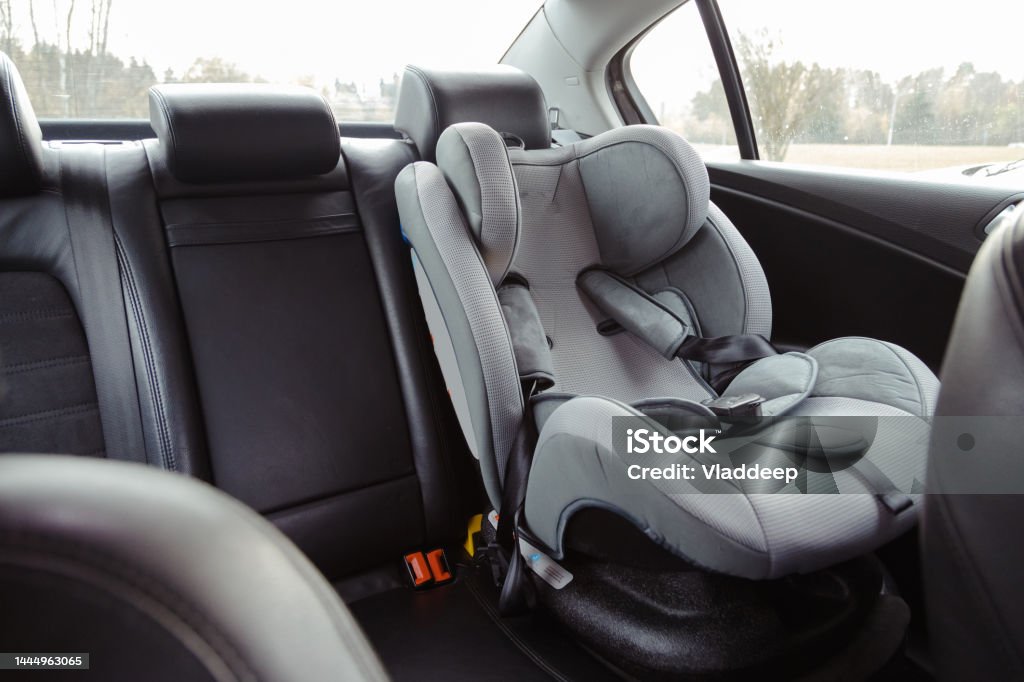
National Seat Check Saturday: Is Your Child’s Car Seat Installed Safely?
National Seat Check Saturday are so important. Held annually in September as part of Child Passenger Safety Week, this event is a lifesaving opportunity for parents and caregivers to get their child’s car seat checked by certified safety technicians—completely free of charge.
Car crashes remain one of the leading causes of death and serious injury for children in the United States. Yet, according to the National Highway Traffic Safety Administration (NHTSA), nearly half of all car seats are misused or installed incorrectly. That’s a scary statistic—especially for parents who believe they’ve done everything right.
But whether or not you attend the event, one big question remains: Is your child’s car seat installed safely?
What Is National Seat Check Saturday?
National Seat Check Saturday is an initiative sponsored by NHTSA in partnership with local law enforcement agencies, fire departments, hospitals, and child safety advocates. On this day, certified Child Passenger Safety Technicians (CPSTs) offer free car seat inspections and installations at hundreds of locations across the country.
The goal? To ensure that every child is riding in the right seat, installed the right way, for their age, height, and weight.
Why Correct Car Seat Installation Matters
Car seats, when used correctly, can reduce the risk of fatal injury by:
-
71% for infants
-
54% for toddlers in passenger cars
-
45% for children ages 4–8 when using booster seats
But when they’re installed incorrectly—or the wrong seat is used—the risk skyrockets. Common issues include:
-
Loose seat belts or LATCH systems
-
Chest clips placed too low
-
Harnesses that are too loose or twisted
-
Children moved to forward-facing or booster seats too early
-
Expired or recalled car seats still in use
The smallest mistake can have serious consequences in a crash.
Who Should Attend a Seat Check Event?
-
New parents unsure about proper installation
-
Grandparents or relatives who occasionally transport kids
-
Parents transitioning from rear-facing to forward-facing
-
Anyone using a used car seat (even if it looks safe)
Even if you’ve read the manual and watched online tutorials, having a CPST physically inspect your installation is invaluable. These trained professionals know what to look for, what adjustments to make, and how to educate caregivers on safe usage.
What Happens During a Car Seat Check?
At a typical inspection station, a certified technician will:
-
Inspect your child’s current car seat for damage or expiration
-
Verify the car seat is appropriate for your child’s age and size
-
Check the installation and harnessing
-
Correct any issues and show you how to do it yourself
-
Answer your questions and provide helpful resources
The entire process usually takes about 30–45 minutes—and the peace of mind is priceless.
How to Prepare for National Seat Check Saturday
-
Bring your child if possible (or at least their height and weight)
-
Bring the car seat manual and vehicle owner’s manual
-
Make sure your car is clean in the back seat area
-
Have questions ready—technicians are happy to explain proper usage
To find a seat check event near you, visit www.nhtsa.gov or contact your local police or fire department.
Car Seat Safety Tips Every Parent Should Know
Even outside of National Seat Check Saturday, it’s essential to follow these safety guidelines:
-
Keep children rear-facing as long as possible, at least until age 2 (and preferably up to 40 pounds)
-
Use the car seat’s harness system properly every time, with snug straps and a chest clip at armpit level
-
Register your car seat with the manufacturer to stay updated on recalls
-
Don’t use secondhand car seats unless you know the seat’s full history and it hasn’t expired
-
Transition your child to a booster seat only when they outgrow their forward-facing seat, and to a seat belt only when they can sit properly without slouching for the entire ride
Legal and Liability Implications
If a car accident occurs and your child is injured due to a defective or recalled car seat, or a seat improperly installed by a manufacturer or technician, you may be eligible to pursue a product liability or personal injury claim.
Examples of legal issues related to child car seat safety include:
-
Car seats that fail crash safety tests
-
Faulty buckles or defective harnesses
-
False marketing claims about age or weight suitability
-
Improper installation by a childcare provider or transport service
In these cases, it’s critical to speak with a personal injury attorney who can investigate liability and help your family recover damages.
Your Child’s Safety Is Non-Negotiable
National Seat Check Saturday serves as an important reminder that child passenger safety is not just a one-time effort—it’s a responsibility every time you buckle up your child. A properly installed, correctly used car seat can make all the difference in a crash.
Take this opportunity to double-check your car seat, spread awareness in your community, and encourage others to do the same.
Need Legal Help After a Car Seat Injury?
At Narvios Law Firm, we’re committed to protecting the most vulnerable—our children. If your child was injured due to a defective car seat or improper installation, contact us for a free consultation. We’ll help you explore your legal options and fight for the justice your family deserves.