
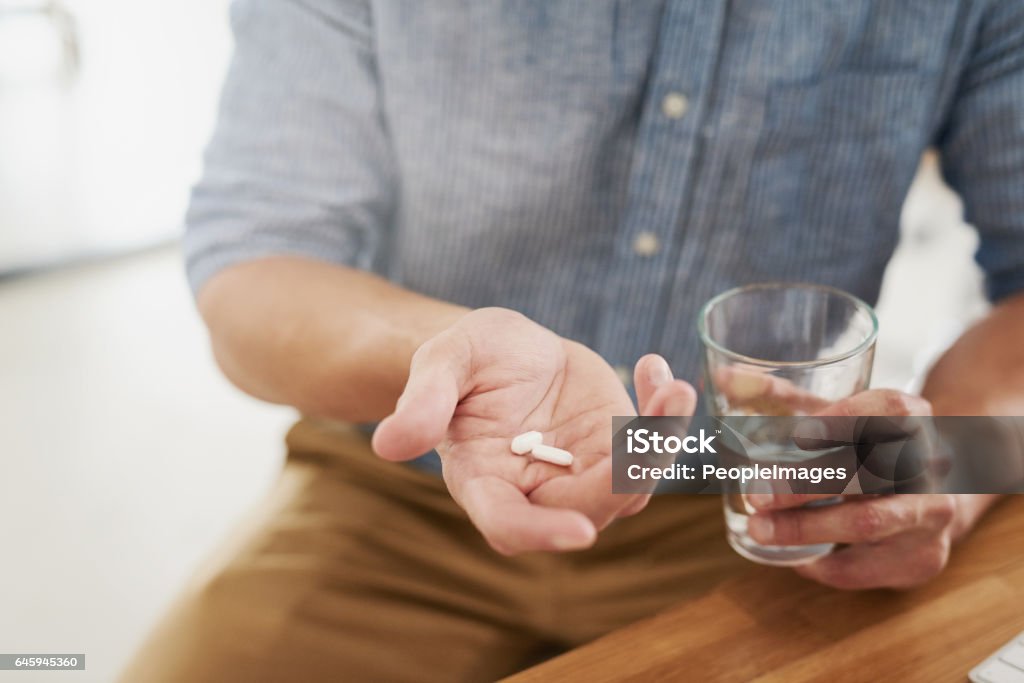
Commonly Prescribed Drugs Can Be Dangerous: What You Should Know
When your doctor prescribed drugs as medication, you expect it to help you feel better, not worse. But the truth is, even commonly prescribed drugs can carry serious risks, and many patients aren’t fully aware of the potential dangers.
Every year, thousands of people suffer unexpected side effects, severe complications, or even life-threatening injuries from medications they thought were safe. Here’s what you need to know to protect yourself and your loved ones.
Why Common Prescribed Drugs Can Still Be Dangerous
Just because a medication is commonly prescribed doesn’t mean it’s completely safe for everyone. Many widely used drugs come with potential risks, including:
-
Severe allergic reactions
-
Heart problems
-
Liver or kidney damage
-
Increased risk of stroke or blood clots
-
Dangerous interactions with other medications
These complications can be especially serious for older adults, people with chronic conditions, and those taking multiple medications.
Examples of Common Prescribed Drugs With Serious Risks
Blood Thinners (Anticoagulants)
Drugs like warfarin and newer medications such as Xarelto or Eliquis help prevent blood clots but can cause dangerous internal bleeding if not carefully monitored.
Opioid Painkillers
While effective for severe pain, opioids (such as oxycodone and hydrocodone) carry a high risk of addiction and overdose. Misuse can quickly lead to life-threatening consequences.
Cholesterol-Lowering Drugs (Statins)
Statins help prevent heart disease but can cause muscle pain, liver damage, and an increased risk of diabetes.
Diabetes Medications
Some drugs used to manage type 2 diabetes, like certain SGLT2 inhibitors, have been linked to kidney failure, infections, and ketoacidosis.
Proton Pump Inhibitors (PPIs)
Commonly used to treat acid reflux, PPIs (like omeprazole) can increase the risk of kidney disease, bone fractures, and vitamin deficiencies when used long-term.
How Do These Drugs Get Approved?
Before a medication hits the market, it must be approved by the FDA. However, approval doesn’t always mean a drug is completely safe.
Clinical trials are usually conducted on a limited number of patients over a relatively short period of time. Once a drug is released to the general public, rare or long-term side effects may become more apparent.
In some cases, manufacturers may fail to warn about serious risks or downplay certain side effects to promote sales.
Steps to Protect Yourself
Ask Questions
When your doctor prescribes a medication, don’t hesitate to ask:
-
What are the potential side effects?
-
Are there safer alternatives?
-
How should I take it, and what should I avoid?
-
Are there possible interactions with my other medications?
Read the Labels and Instructions Carefully
Pay close attention to dosage instructions and warnings. Never skip or adjust doses on your own.
Monitor for Side Effects
Keep track of any new symptoms or changes in your health after starting a new medication. Report issues to your doctor immediately.
Review All Your Medications Regularly
Especially if you take multiple prescriptions, have your medications reviewed at least once a year to avoid harmful interactions.
Be Cautious With New or Heavily Marketed Drugs
New drugs may not have a long track record of safety. Talk to your doctor about whether older, better-studied alternatives might be safer.
What to Do If You’re Injured by a Medication
If you experience a serious side effect or injury from a medication:
-
Seek medical attention immediately.
-
Keep the medication and any packaging or instructions.
-
Document your symptoms and any medical visits.
-
Consider consulting a personal injury attorney experienced in drug injury cases.
You may be entitled to compensation for medical bills, lost income, pain and suffering, and other damages if the drug manufacturer or another party is found responsible.
Holding Drug Companies Accountable
Pharmaceutical companies have a responsibility to ensure their products are safe and to properly warn consumers about potential risks. When they fail to do so, they can be held legally accountable.
By taking legal action, injured patients not only pursue justice for themselves but also help encourage safer practices and greater transparency in the pharmaceutical industry.
Final Thoughts
Prescription medications save lives and improve quality of life for millions of people. But they also carry risks that shouldn’t be ignored — even when the drugs are commonly prescribed.
Staying informed, asking questions, and monitoring your health closely can help you make safer decisions about your medications. And if something goes wrong, remember: you have rights, and you don’t have to face the consequences alone.